The Reality of Fueling Athletes on the Road
Travel is an integral part of professional sports. Across leagues, athletes frequently travel the country anywhere from once a week to three or four times weekly during the regular season…..
🗓️ August 18, 2026
Share this post
🗓️ August 18, 2026
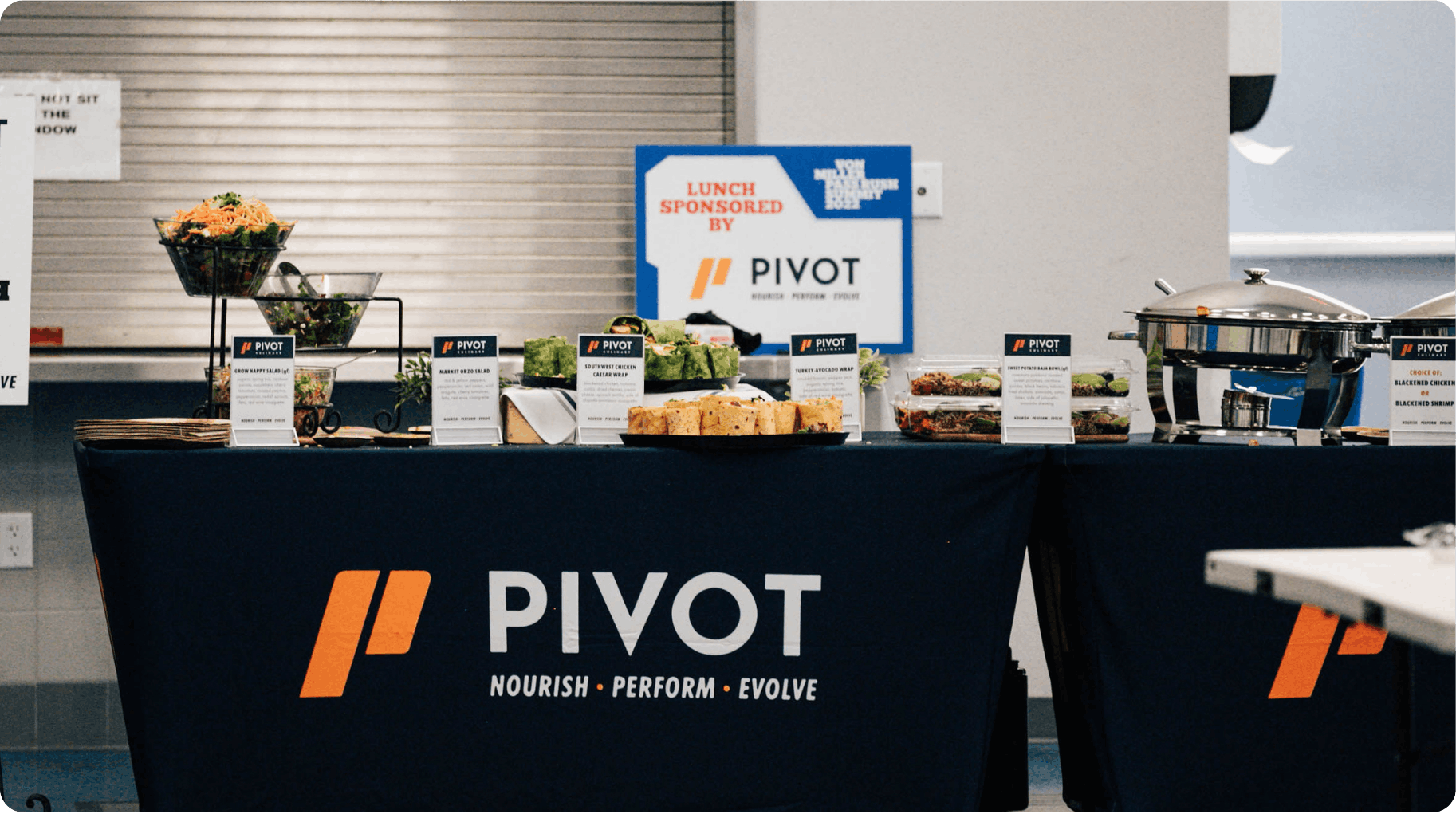
When people imagine operations inside a professional sports facility, they typically envision early-morning training sessions, conditioning drills, or physical therapy. Food service for athletes is often underacknowledged, yet it remains one of the most critical elements of elite athletics. Food is fuel, and high-performance athletes require a lot of it. While nutrition staff create personalized meal plans, an on-site culinary operations team ensures those meals use premium ingredients, meet exact portion sizes, and arrive strictly on time. Although some organizations view dedicated culinary operations as a luxury, it is a vital service that directly drives athletic performance. Here is a look at why an on-site culinary team is essential, how its roles function, and why the investment yields significant returns.
Although industry standards are shifting, dedicated on-site culinary operations teams remain far from universal. Certain facilities rely on basic kitchen staff for baseline meal prep; however, a comprehensive culinary team offers significantly more value; guaranteeing exact meal timing, maintaining seamless communication with performance staff, and leveraging athlete feedback to continuously refine service quality. Proper nutrition is vital for recovery, but the quality of execution and service behind those meals ultimately dictates their impact.
Historically, athletic performance staff were forced to manage food service logistics, taking critical time away from direct player care. Establishing a dedicated culinary operations team eliminates this strain. In addition to meal preparation, these professionals oversee daily kitchen operations, partner with performance teams to craft custom menus, source high-quality ingredients, ensure timely service, and adjust protocols based on real-time feedback. Burdening athletic trainers, dietitians, or equipment personnel with these operational duties compromises overall performance. Bringing in an on-site culinary team provides specialized food service experts, giving performance staff the targeted operational backing they require.
To build a high-performing culinary operation, specific roles and responsibilities must be clearly defined across the team:
Although establishing such a comprehensive framework requires dedicated resources, it is crucial for optimizing performance staff productivity. Relieving coaches, dietitians, and athletic trainers from managing food logistics creates operational clarity that directly translates to enhanced athlete performance. By focusing exclusively on their core expertise, these professionals can provide higher-quality, more consistent care that directly impacts recovery and readiness on the field.
Although bringing a full-service, on-site culinary team into a professional sports facility can appear to be a significant expenditure, the benefits extend far beyond basic meal prep.
High-performance athletic programs rely on specialized roles, such as dietitians, physical therapists, strength coaches, and team physicians, to optimize athlete development. In the same way, an on-site culinary operations team contributes dedicated expertise to performance nutrition, eliminating the burden of complex food logistics from general athletic staff.
Key benefits of an on-site culinary operations team include:
Because time is a critical asset, inefficiencies in culinary operations represent a substantial hidden cost. Investing in a specialized culinary service ultimately protects valuable staff time and directly supports athletic performance.
Ultimately, the integration of a dedicated culinary operations team transforms the kitchen from a background utility into a strategic driver of athletic success. By professionalizing these services, organizations not only eliminate logistical burdens for their performance staff but also ensure that every meal serves as a precise tool for athlete recovery and field readiness. Prioritizing this investment isn’t merely about logistics; it’s a commitment to excellence that empowers the entire team to perform at their best, ensuring that every detail, from ingredient sourcing to service, is aligned with the pursuit of developing elite athletes on the professional sports level.
Share this post

Travel is an integral part of professional sports. Across leagues, athletes frequently travel the country anywhere from once a week to three or four times weekly during the regular season…..

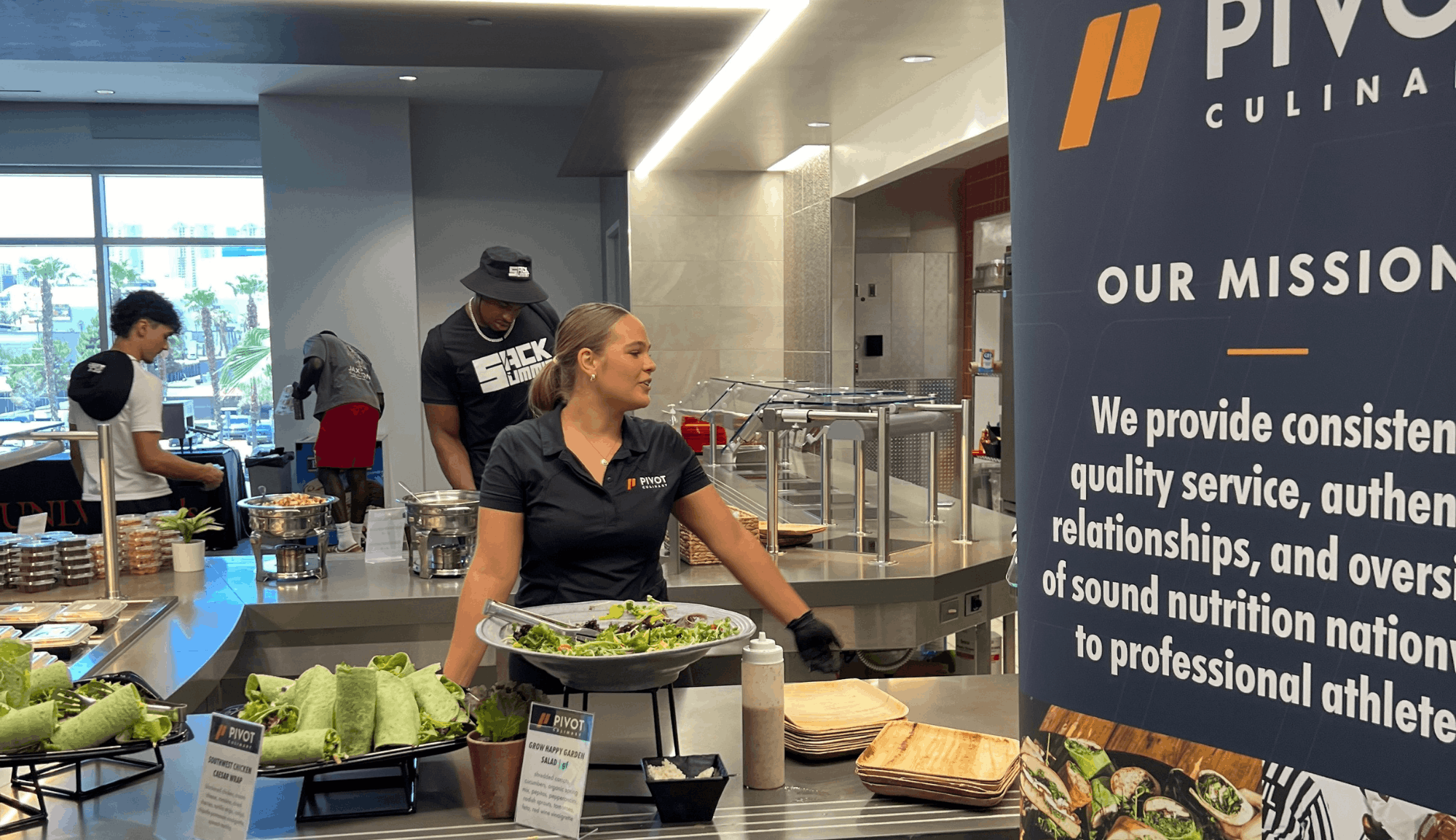
After recognizing the need for a West Coast hub, the National Basketball Players Association (NBPA) transformed an old Clippers building into a new 24/7 training facility that came together with heavy input from players across the league…..

Performance staff have a major responsibility in professional sports. From dietitians to strength and conditioning coaches, each role performs an essential function in building elite athletes that often goes unnoticed. To fans, it may seem like their favorite players are…..

Sign up for our newsletter and get the latest happenings and exclusives.
We look forward to connecting with you.